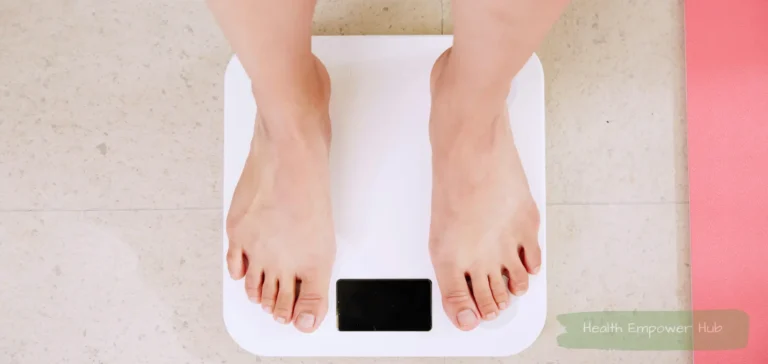
You are eating better, cutting back on snacks and maybe even walking more, but the scale is not moving. It is one of the most frustrating parts of trying to lose weight. The good news is that there is almost always a reason, and most of them can be fixed with small adjustments.
Here are 12 of the most common reasons people stop losing weight, and what you can do about each one.
1. You are eating more than you think
Studies show that most people underestimate how much they eat, often by a large margin. A splash of oil when cooking, a handful of nuts, the milk in your coffee and the bites you take while preparing dinner all add up.
What to do: track everything you eat and drink for one or two weeks, including drinks and cooking oils. You do not have to count calories forever, but a short period of tracking often reveals surprises. Use our Calorie Calculator to find a realistic daily target.
2. Your portions have slowly crept up
When you first start, you may measure portions carefully. Over time, servings tend to get bigger without you noticing.
What to do: check portions again for a few days, especially for rice, pasta, cereal, cheese, nuts and spreads. Using smaller plates helps too.
3. You are drinking your calories
Sugary drinks, juices, smoothies, sweetened coffee drinks and alcohol can add hundreds of calories a day without filling you up.
What to do: switch to water, sparkling water, or unsweetened tea and coffee most of the time. Keep alcohol to occasional, small amounts.
4. You are not eating enough protein
Protein is the most filling nutrient. If your meals are mostly carbohydrates, you may feel hungry again quickly and end up snacking more.
What to do: include a source of protein at every meal, such as eggs, Greek yogurt, fish, chicken, beans, lentils or tofu. See our guide on how much protein you need per day.

5. You are not sleeping enough
Poor sleep affects the hormones that control hunger and fullness, and makes you more likely to crave high-calorie foods. Tiredness also makes it harder to stay motivated.
What to do: aim for at least 7 hours a night with a regular bedtime. Read more about how sleep affects your health.
6. Stress is driving you to eat
Chronic stress raises cortisol and often leads to emotional eating, especially of sweet and salty comfort foods.
What to do: notice when you eat because you are stressed or bored rather than hungry. Try a short walk, a few minutes of deep breathing or calling a friend first.
7. You are being “good” all week and overeating at weekends
Many people eat carefully from Monday to Friday, then make up for it at the weekend with takeaways, drinks and treats. Two big days can easily cancel out a week’s calorie deficit.
What to do: plan one or two treats at the weekend rather than having a whole “day off”. Following an 80/20 approach every day is often easier than being very strict and then overdoing it.
8. You are relying on exercise alone
Exercise is excellent for health, but it burns fewer calories than most people think. A 30-minute walk might burn 150 calories, which is about the same as a small chocolate bar. It is also common to feel hungrier after exercise and eat more.
What to do: keep exercising for your health, but focus on food choices for weight loss. Our guide on how to lose weight without exercising covers the diet habits that make the biggest difference.
9. You are retaining water
Your weight can go up and down by 1 to 2 kg (2 to 4 lb) from day to day because of water. Salty meals, a new exercise routine, hormonal changes and constipation can all cause temporary increases that hide fat loss.
What to do: weigh yourself at the same time of day, a few times a week, and look at the average trend over two to four weeks rather than single readings.
10. You have hit a plateau
As you lose weight, your body needs fewer calories than before. The amount you were eating when you started may now be enough to maintain your new weight.
What to do: recalculate your calorie needs at your new weight, make small adjustments of 100 to 200 calories, and add more daily movement if you can.
11. You are not being consistent
Weight loss comes from what you do most of the time, not occasionally. If healthy habits only happen on some days, progress will be slow.
What to do: focus on two or three simple habits you can keep every day, such as a protein breakfast, water instead of soda and no snacking after dinner, before adding more.
12. A medical condition or medication may be involved
Some conditions, such as an underactive thyroid (hypothyroidism) or polycystic ovary syndrome (PCOS), can make weight loss harder. Certain medicines, including some antidepressants, steroids and diabetes medications, can also affect weight.
What to do: if you have made consistent changes for several months without results, or have other symptoms such as tiredness or irregular periods, speak to your doctor. Do not stop any medicine without medical advice.
Be patient with yourself
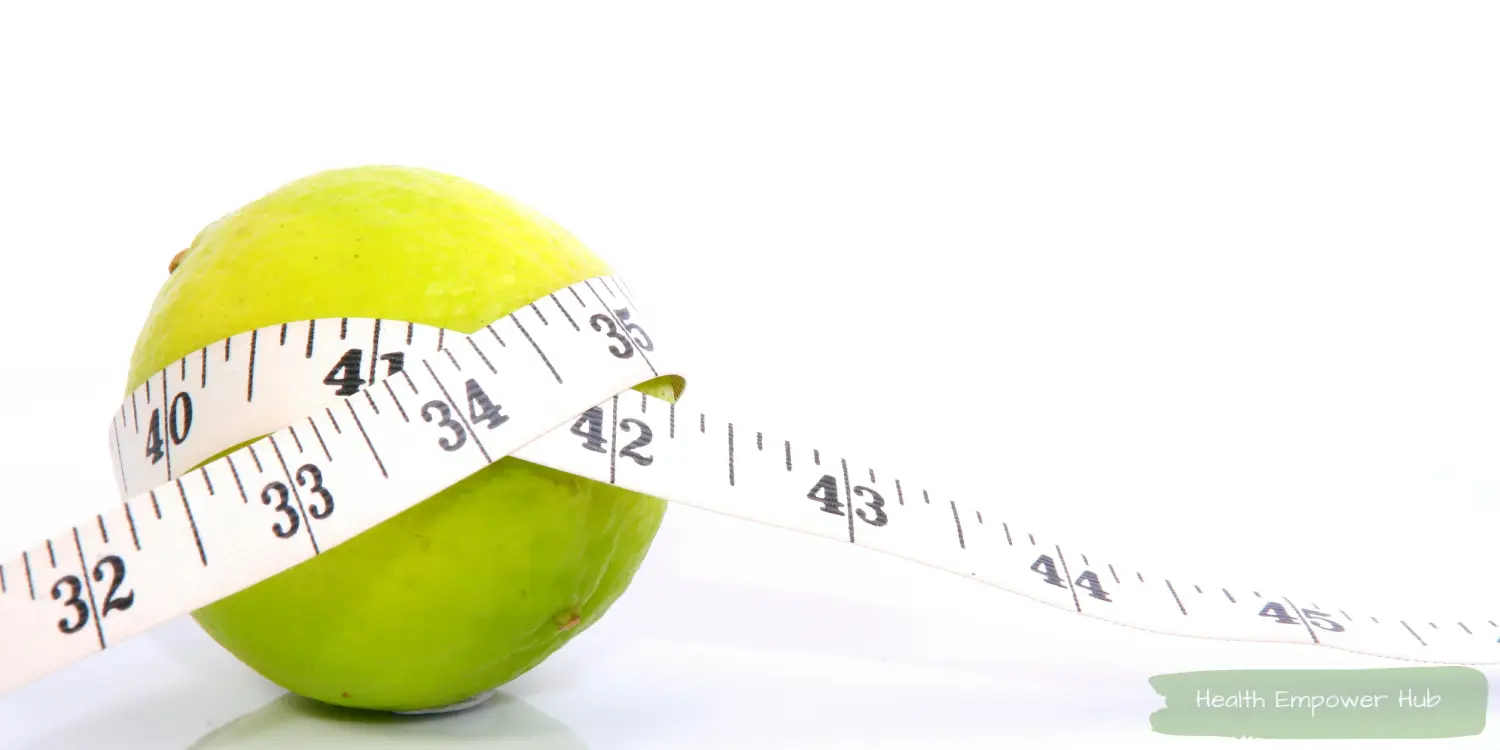
Healthy weight loss is usually around 0.5 to 1 kg (1 to 2 lb) a week, and progress is rarely a straight line. Measuring your waist, noticing how your clothes fit and paying attention to your energy and sleep can show progress even when the scale stalls. You can also check where you are with our BMI Calculator.
Frequently asked questions
Why am I gaining weight even though I eat less?
Short-term weight gain is often water, not fat, especially after salty meals, a new workout or around your period. If the gain continues for several weeks, double-check portions and drinks, and consider talking to a doctor.
How long does a weight loss plateau last?
It varies, but plateaus often last a few weeks. Small changes to your calorie intake, more protein and more daily movement usually help you move past them.
Can eating too little stop weight loss?
Very low-calorie diets can make you tired, hungry and more likely to overeat later, and can lead to muscle loss. A moderate deficit is more effective in the long run than eating as little as possible.
This article is for general information only and is not a substitute for medical advice. If you are concerned about your weight or health, please talk to your doctor.